
Curling Iron vs. Curling Wand vs. Flat Iron: Which Tool Makes Which Look?
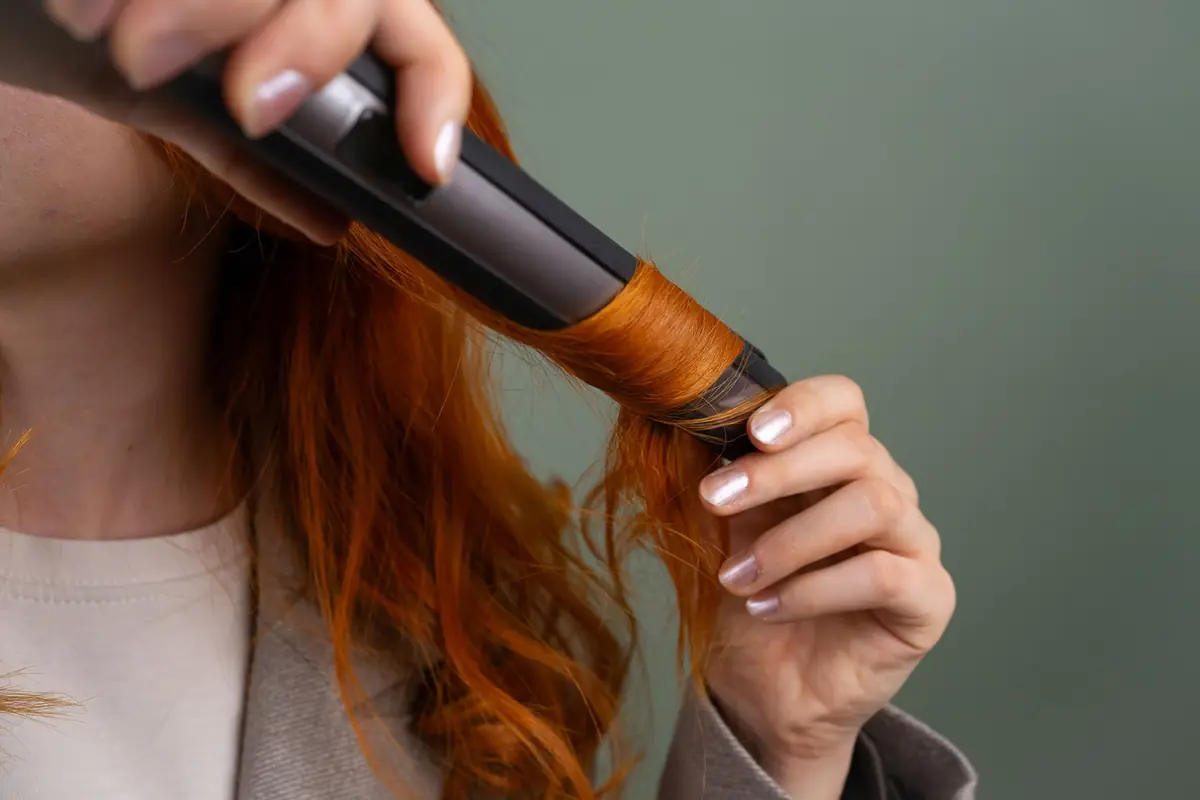
Walk down any beauty aisle and you will see clamp irons, clipless wands, tapered wands, flat irons, and barrels from tiny to huge. They all heat hair, but they create quite different shapes and each has a learning curve. This guide explains what each tool does best, so you can choose one for the look you want rather than the box with the nicest photo. We talk about tool types and features, not particular brands.
The curling iron (with a clamp)
A classic curling iron has a round barrel and a spring-loaded clamp. You clamp the ends of a section and roll the iron up toward the root, or wrap the hair around from the middle.
- Best for: uniform, polished curls; bouncy blow-out style curls; vintage sets when pinned while cooling.
- Pros: the clamp holds hair for you, which many beginners find easier; curls look consistent.
- Cons: the clamp can leave a crimp mark if you press on the ends; wrapping from the ends puts heat on the most fragile part of the hair.
The curling wand (clipless)
A wand is a barrel with no clamp. You wrap hair around it by hand, usually wearing the heat-resistant glove that comes with it, and hold for a few seconds. Wands can be straight or tapered (wider at the base, narrower at the tip).
- Best for: relaxed, modern waves and curls; leaving the ends straighter for an undone look.
- Pros: no crimp marks; wrapping from mid-length protects ends; tapered wands give a natural, varied curl.
- Cons: takes more practice; always use the glove, as fingers get close to the heat.
The flat iron (straightener)
A flat iron has two heated plates that close together. Its main job is smoothing and straightening, but with a twist of the wrist it can also create waves and bends.
- Best for: sleek straight styles; smoothing frizz; flat-iron waves; bending ends under or out.
- Pros: very versatile, one tool for several looks; narrow plates reach close to the root and fringe.
- Cons: flat-iron curls take practice; direct contact on both sides means more heat on each section if you go slowly.
Side-by-side comparison
| Curling iron | Curling wand | Flat iron | |
|---|---|---|---|
| Main look | Defined, uniform curls | Loose, natural waves | Straight, sleek, or bends |
| Beginner-friendly | Yes | After some practice | For straightening, yes |
| Ends | Often curled | Easy to leave straight | Can flip under or out |
| Speed on long hair | Medium | Medium | Fast for straightening |
| Good for fringes | Larger barrels | Less so | Yes |
Choosing a barrel size
Barrel diameter controls curl size. Smaller barrels make tighter curls, larger barrels make looser curls and volume. Hair length matters too: a large barrel on short hair may barely make a bend, while a small barrel on long hair creates lots of ringlets.
- About 2 cm (¾ inch): tight curls, good for short hair or defined ringlets.
- About 2.5 cm (1 inch): the classic all-rounder for medium to long hair.
- About 3–3.8 cm (1¼–1½ inch): loose waves and body, especially on long hair.
If you only buy one, a mid-size barrel is the most flexible for event styles.
Plate and barrel materials, explained simply
You will see ceramic, tourmaline and titanium on labels. In general terms, ceramic is known for spreading heat evenly and is a common choice for fine to medium hair. Tourmaline is often added as a coating and marketed for smoothness. Titanium heats quickly and holds high heat, which some people with thick or coarse hair prefer, though it can be a lot for fine hair. More important than the material for most people are adjustable temperature, an automatic shut-off and a comfortable grip.
Features worth looking for
- Adjustable temperature settings with a clear display
- Automatic shut-off after a period of inactivity
- A swivel cord that doesn't tangle
- A cool tip or heat-resistant glove
- Dual voltage, if you travel to events abroad
- A heat-resistant mat or pouch for packing up
Whichever tool you choose, pair it with heat protectant and a sensible temperature; our guide to heat styling without damage covers the details.
Know which tool you want? Our holiday hair tool gift guide covers a 1-inch flat iron, a 1-inch curling iron and two air-styler options.
Frequently asked questions
Which tool is best for beginners?
Many people find a clamp curling iron easiest for curls and a flat iron easiest for straightening. Wands are great once you have practised the wrap.
Can a flat iron really curl hair?
Yes. Clamp a section, twist the iron half a turn and glide it down slowly. It takes a few tries to get the hang of it.
What barrel size gives beachy waves?
A larger barrel, often around 3 cm or more, wrapped loosely and brushed out, tends to give soft waves on medium to long hair.
Is a more expensive tool always better?
Not necessarily. Adjustable heat, auto shut-off and comfort matter more for most people than premium materials.
General information only. Patch-test new products and follow your stylist's advice for your own hair and skin.