
Event-Day Prep Timeline: How to Plan the Morning Hour by Hour
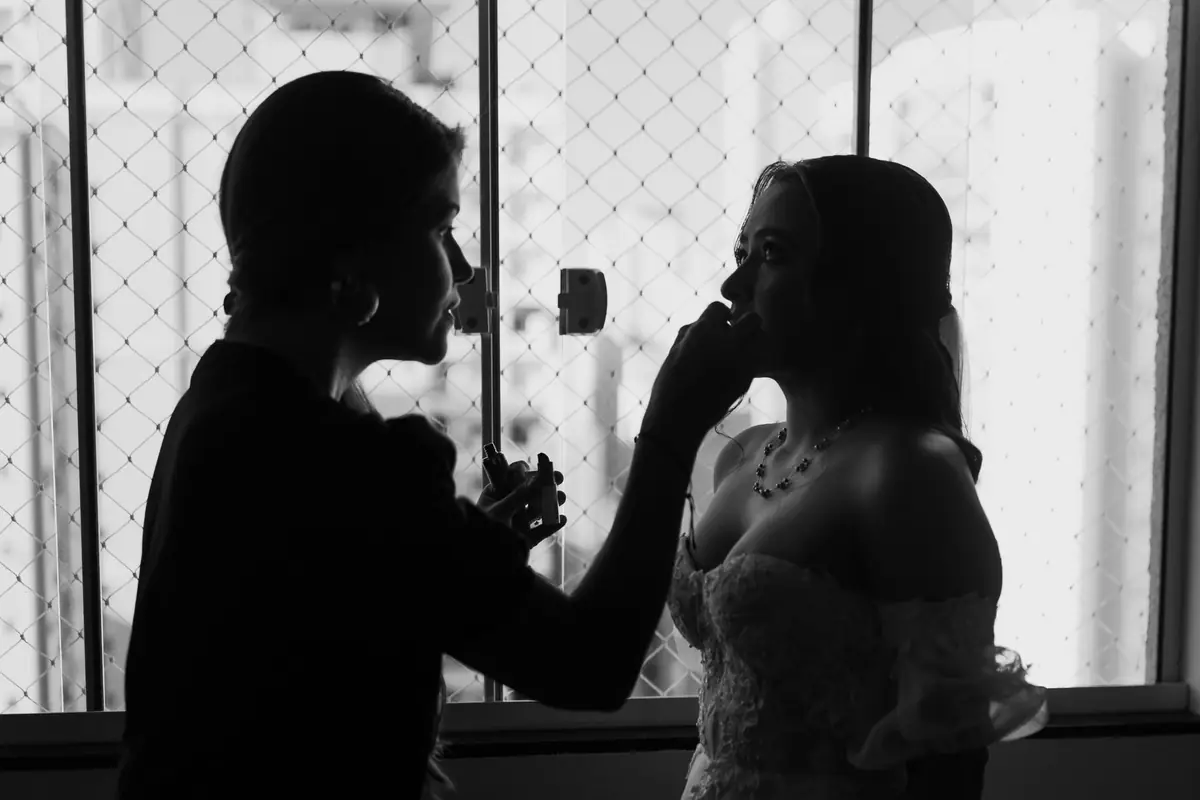
The secret to a calm getting-ready morning is not waking up early; it is knowing exactly what happens when. A written timeline turns a chaotic room full of hairdryers into a relaxed queue. This guide shows how to build one by working backwards from the moment everyone needs to be ready, with sample timings you can adjust. You can also try the timeline builder on our home page to rough out your own schedule.
Step 1: Find your true ready-by time
Your ready-by time is not the ceremony, the limo or the first dance. It is the time when every person is finished, dressed and able to leave or start photos. For a wedding, it is often the start of "getting dressed" photos. For a prom, it might be when parents arrive to take pictures before leaving.
Then add a buffer on top. Something always takes longer than expected: a curl that will not sit, a zip that sticks, a bouquet delivery at the wrong moment. A buffer of around 20 to 30 minutes for a small group, and more for a large one, is a sensible starting point.
Step 2: Ask how long each service takes
Your artist is the best source for timings, because they depend on their pace, your hair and the look. As rough, general planning figures that many people use before confirming with their artist:
| Service | Typical planning range |
|---|---|
| Makeup, guest or bridesmaid | about 30–45 minutes |
| Hair, simple style or waves | about 30–45 minutes |
| Hair, detailed updo | about 45–60 minutes |
| Bride or main person, makeup | about 45–75 minutes |
| Bride or main person, hair | about 45–90 minutes |
| Veil or accessory placement | about 10 minutes |
If one artist does both hair and makeup, add the times together per person. If there is a hair stylist and a separate makeup artist, they can work in parallel, which roughly halves the total time for a group.
Step 3: Set the order of people
The person the day is centred on usually goes last or second-to-last for makeup, so it is freshest for photos, but not so late that any delay eats into the ready-by time. A common approach:
- People with the simplest looks, or who need to leave to do other jobs, go first.
- Anyone whose hair needs to set, such as pinned curls, starts earlier.
- The main person has hair done mid-schedule, then makeup near the end.
- Last in the chair is someone with a quick look, which acts as a hidden buffer.
When there are two artists, stagger people so one sits for hair while another sits for makeup, then they swap.
Step 4: Fit in everything else
Hair and makeup are only part of the morning. Around them, plan for:
- Breakfast and water. Eat before makeup so lipstick is not an issue, and use straws later.
- Showering and hair washing, done before the artist arrives, following their instructions.
- Getting dressed. Allow 15 to 30 minutes for the main outfit, especially with buttons, lacing or a veil.
- Photographer arrival for detail shots, usually during the last hour of hair and makeup.
- Touch-ups just before leaving: powder, lipstick, a spritz of hairspray.
A sample timeline for five people
Here is an example with one hair stylist and one makeup artist working in parallel, and a ready-by time of 1:00 pm. It is a model, not a rule; your artist may suggest a different order.
| Time | Hair chair | Makeup chair |
|---|---|---|
| 8:30 | Artists arrive and set up | Artists arrive and set up |
| 8:45 | Person A | Person B |
| 9:30 | Person B | Person A |
| 10:15 | Main person (hair) | Person C |
| 11:15 | Person C | Main person (makeup) |
| 12:00 | Person D | Person D |
| 12:30 | Buffer, dressing, touch-ups, photos | |
| 1:00 | Everyone ready | |
Step 5: Share it and stick to it
Once your artist has confirmed the plan, send the timeline to everyone involved: people being styled, the photographer, and whoever is coordinating the day. Include the address, parking notes and who should arrive when. On the morning, one calm person keeping an eye on the clock makes a big difference. If someone runs late, move the next person up rather than letting the whole chain slip.
Frequently asked questions
How early should the first person start?
Work backwards from the ready-by time using your artist's timings, plus a buffer. The result is your start time, including artist setup.
Should the bride go first or last?
Often the main person has hair done mid-morning and makeup near the end, with one quick look after them as a buffer. Your artist will advise.
How big should my buffer be?
Around 20 to 30 minutes for a small group is a reasonable start; larger groups or complex looks benefit from more.
Can we do hair and makeup at the same time?
Only with two artists or a team. One person cannot do both at once, so single-artist bookings take longer.
General information only. Patch-test new products and follow your stylist's advice for your own hair and skin.