
The Bridal Hair and Makeup Trial: What Happens and How to Get the Most From It
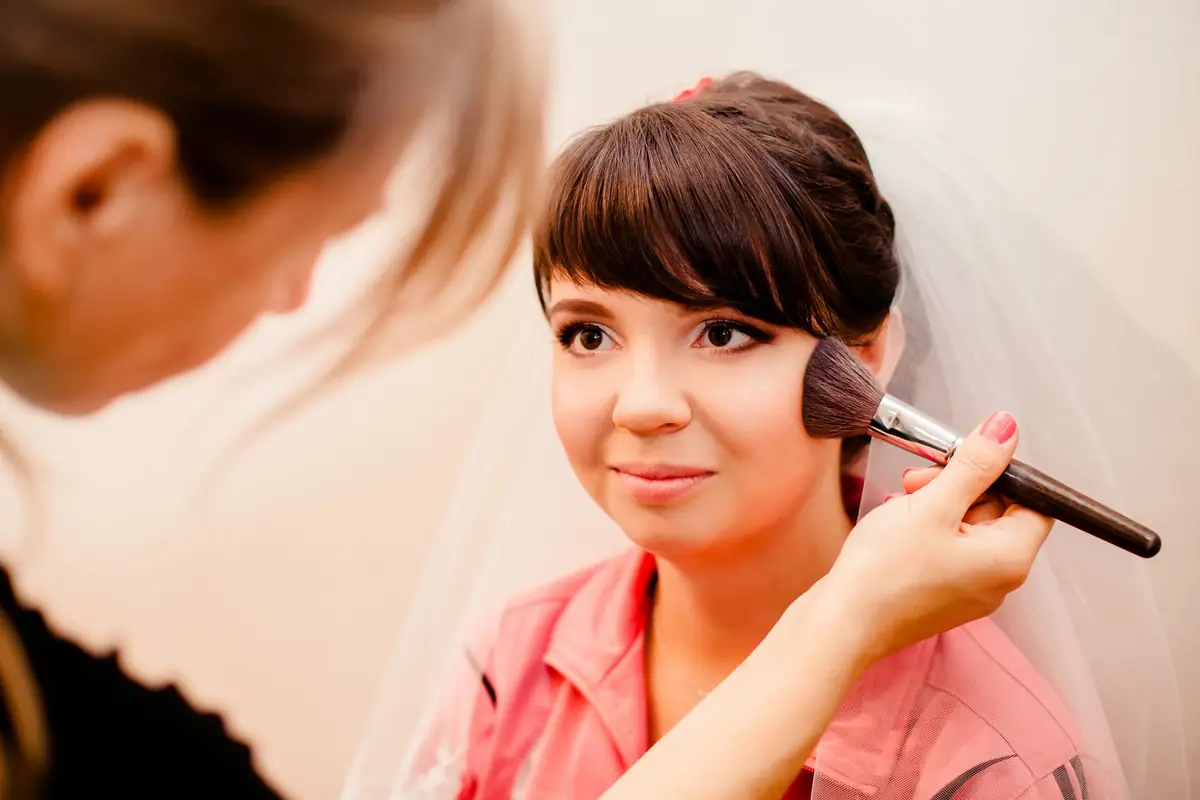
A trial is a rehearsal for your wedding-day look. You sit in the chair, the artist builds the hair and makeup you have discussed, and together you decide what to keep, what to soften and what to drop. It is the single best way to remove guesswork from the morning of the wedding, yet many people arrive at theirs unprepared and leave unsure. This guide walks through the whole thing, from booking to the follow-up message you send afterwards.
Why a trial is worth the time
Your artist has never seen your hair texture in person, does not know how your skin behaves under foundation after four hours, and cannot guess that you dislike the feeling of lashes. A trial answers all of that. It also shows how long each part of the look actually takes on you specifically, which is the number your artist needs to build a realistic schedule for the day. If three bridesmaids are also having their hair done, an extra fifteen minutes on your updo matters.
A trial is also a relationship check. You will spend the most stressful morning of the year with this person. If you feel rushed, unheard or uncomfortable during the trial, that is useful information while there is still time to change plans.
When to book it
Most artists suggest holding the trial somewhere between one and three months before the wedding. Much earlier and your hair length, colour or skin may change; much later and there is little room to adjust if something is not working. A few practical tips on timing:
- Book it for a day you can wear the look afterwards. An engagement shoot, a dinner or a hen or bachelorette event lets you see how it lasts in real life and in photos.
- Get your cut and colour done first. If you plan a colour refresh, try to have it done before the trial so the artist is working with the shade you will have on the day. Your final trim can come closer to the date.
- Allow time. A full hair and makeup trial commonly takes somewhere around two to three hours, because there is discussion and experimentation that will not happen on the day itself.
What to bring to the trial
- Three to five inspiration photos, plus one or two you dislike
- A top in the same neckline and colour as your dress, or a photo of the dress
- Your veil, hair accessories or headpiece if you have them
- Any earrings or necklace you plan to wear
- Skincare you will use that morning, and any products your skin reacts to
- Lashes or specific lipstick you already own and love
- Your phone, fully charged, for photos in daylight and with flash
Arrive with clean, dry hair unless your artist says otherwise; some prefer second-day hair for updos because it holds grip better. Come with a bare, moisturised face so the artist can see your skin as it really is.
During the trial: how to give honest feedback
Artists genuinely want you to speak up. They would much rather hear "the eyeliner feels heavier than I imagined" at the trial than find out from your face on the wedding morning. Useful ways to phrase feedback:
- Describe the feeling you want rather than a product: "softer", "more like me on a good day", "I want to see my freckles".
- Point to a specific area: "can the outer corner be less winged?" is easier to act on than "the eyes are a bit much".
- Check it in more than one light. Walk to a window, then take a photo with flash. Makeup that looks strong under vanity bulbs can look just right in a photograph and vice versa.
- Move around. Turn your head, hug someone, pull a top over your head carefully. Hair that feels tight or pins that dig in will be much more uncomfortable after ten hours.
It is completely normal to change your mind. Some brides try two different hair options in one trial; ask in advance whether your artist allows that, since it affects how much time to book.
After the trial: lock in the details
Take photos from the front, both sides and the back of your hair before you leave, and ask the artist to note the products and shades used. Many artists keep a record, but having your own copy helps if anything changes. Then, within a day or two, send a short message confirming:
- The final look, including any adjustments you agreed.
- Your ready-by time and the address for the wedding morning.
- How many other people are being done and in what order.
- Any items you are responsible for, such as a veil or a specific lipstick for touch-ups.
Wear the look for as long as you can that day. Note when your nose starts to shine, whether the curls drop, and how the lipstick holds through a drink. Those observations are exactly what your artist needs to adjust the products for the real thing.
If the trial does not go well
Sometimes a trial shows a mismatch in style or communication. First, check whether the issue is fixable: a lighter base or different hairstyle is a small change. If it is more fundamental, re-read your contract for how the deposit and trial fee are handled before deciding anything. A calm, specific conversation is usually enough; if it is not, there is still time to find someone else, which is precisely the point of doing the trial early.
Frequently asked questions
Do I have to have a trial?
No, but it is strongly recommended for weddings and other big events, especially if you have never worked with the artist before or are trying a style you have not worn.
Should my bridesmaids have trials too?
Usually not. Trials are typically for the person the day is centred on. Bridesmaids can share inspiration photos in advance so the artist can plan.
Can I wash my face after the trial and try again at home?
You can, but it is more useful to keep the look on for the rest of the day to see how it wears. Take photos at intervals instead.
Is the trial fee part of the wedding price?
It depends on the artist. Some include it, some charge it separately. Ask before you book so there are no surprises.
General information only. Patch-test new products and follow your stylist's advice for your own hair and skin.