
How to Brief Your Stylist So You Get the Look You Imagined
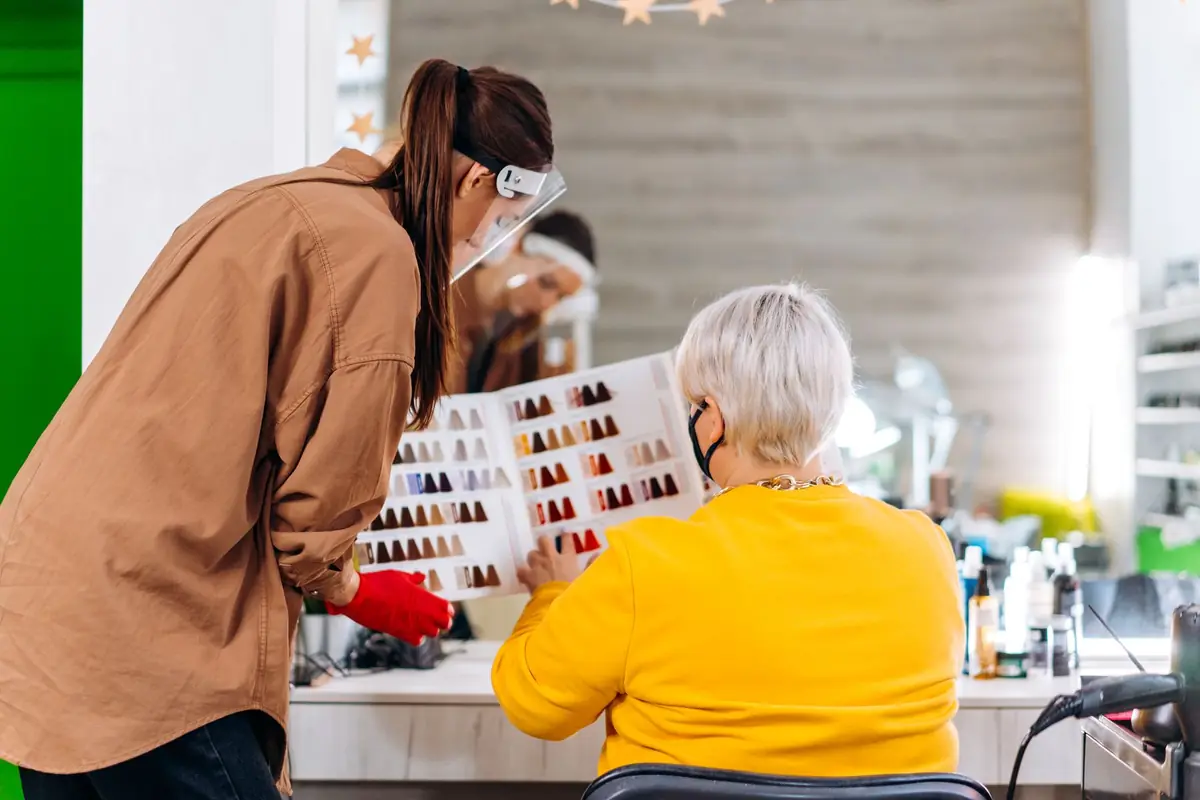
Most hair and makeup disappointments are communication problems, not skill problems. You asked for "natural" and got something heavier than you wear; you wanted "loose curls" and got bouncy ringlets. The fix is a clear brief: a short package of pictures and words that tells your stylist exactly what you mean. It takes twenty minutes to put together and saves a lot of second-guessing in the chair.
Pick inspiration photos the smart way
Photos are the fastest way to communicate a look, but they need a little editing. Three to five strong images beat thirty saved posts. When choosing them:
- Look for similar starting points. A curly updo on very thick hair will not translate directly to fine, straight hair. Try to find examples on hair of a similar length, density and texture to yours, and on similar skin tones for makeup.
- Prefer real photos over heavily edited ones. Filters change skin texture and colour, which sets unrealistic expectations for makeup.
- Say what you like in each image. "I like the soft face-framing pieces in this one" and "I like the lip colour in this one" is more useful than an unexplained collage.
- Include one or two dislikes. Knowing that you hate a sharp wing or a very sleek pony is just as valuable as knowing what you love.
Use words that mean the same thing to both of you
Beauty vocabulary is slippery. "Natural" to one person means bare skin and mascara; to another it means a full face in neutral shades. Try describing results instead of labels.
| Instead of… | Try saying… |
|---|---|
| Natural | "I want my skin to still look like skin, and my freckles to show through." |
| Glam | "Defined eyes with a smoky crease, lashes, and a bold lip." |
| Beachy waves | "Bends rather than curls, starting below the ears, ends left straight." |
| Messy bun | "Soft and textured with a few pieces out, but secure enough for dancing." |
| Not too much | "I usually wear tinted moisturiser and mascara; I'd like one step up from that." |
Describing your everyday routine is surprisingly helpful. It gives the stylist a baseline of what "you" looks like, so they can judge how far to go.
Share the practical details
A look has to work with the rest of the day, not just in the mirror. Include in your brief:
- Your outfit: neckline, colour, fabric and any detail near the face or hair, such as a high collar or open back.
- Accessories: veil, headband, hat, earrings or glasses you will wear.
- The setting: indoors or outdoors, time of day, heat, humidity, wind, whether you will be dancing.
- Photos: whether there will be a professional photographer or flash photography.
- Sensitivities: allergies, sensitive eyes, contact lenses, products that have irritated your skin before.
- Hair history: recent colour, keratin treatments, extensions or anything that changes how your hair holds a style.
A simple brief template you can copy
- Event, date and ready-by time:
- Outfit and neckline (photo attached):
- Hair: up / half-up / down, and the overall feel:
- Makeup: my usual routine is… I would like…
- Must-haves (e.g. hair off my neck, waterproof mascara):
- Definitely not (e.g. glitter, dark lip):
- Skin or eye sensitivities:
- Photos: 3–5 likes, 1–2 dislikes, with a note on each
Send the brief a few days before your appointment or trial so your stylist has time to plan and bring the right products. Bring it on your phone too.
In the chair: checking in without micromanaging
Once the appointment starts, trust the process a little. Hair and makeup often look unfinished halfway through; the base might look heavy until powder and blush go on, and curls look tight until they are brushed out. Good moments to check in are after the base is done, after the eyes, and once the hair has its main shape. Ask for a hand mirror to see the back of your hair.
If something is not right, say so kindly and specifically. "Could we make the blush a bit softer?" is easy to fix in a minute. Waiting until the end and saying nothing helps no one.
For a group: one brief per person, one overall vibe
Bridal parties and prom groups often want a cohesive look without everyone being identical. Agree on one overall direction, such as soft glam with a warm lip, and then let each person write a short individual brief. That keeps things consistent while respecting different faces, hair types and comfort levels.
Frequently asked questions
How many inspiration photos should I bring?
Three to five is plenty, with a note on what you like in each. Too many images can send mixed signals.
What if I don't know what I want?
Describe the feeling you want and your usual routine, and share a photo of your outfit. A good stylist can suggest options from there.
Is it rude to ask for changes?
No. Stylists expect feedback, and a small adjustment during the appointment is far easier than a big fix later.
Should I tell my stylist about skin reactions?
Yes, always. Mention any known allergies or sensitivities before any product touches your skin.
General information only. Patch-test new products and follow your stylist's advice for your own hair and skin.