
Long-Wear Makeup: How to Make Your Look Last From Morning to Last Dance
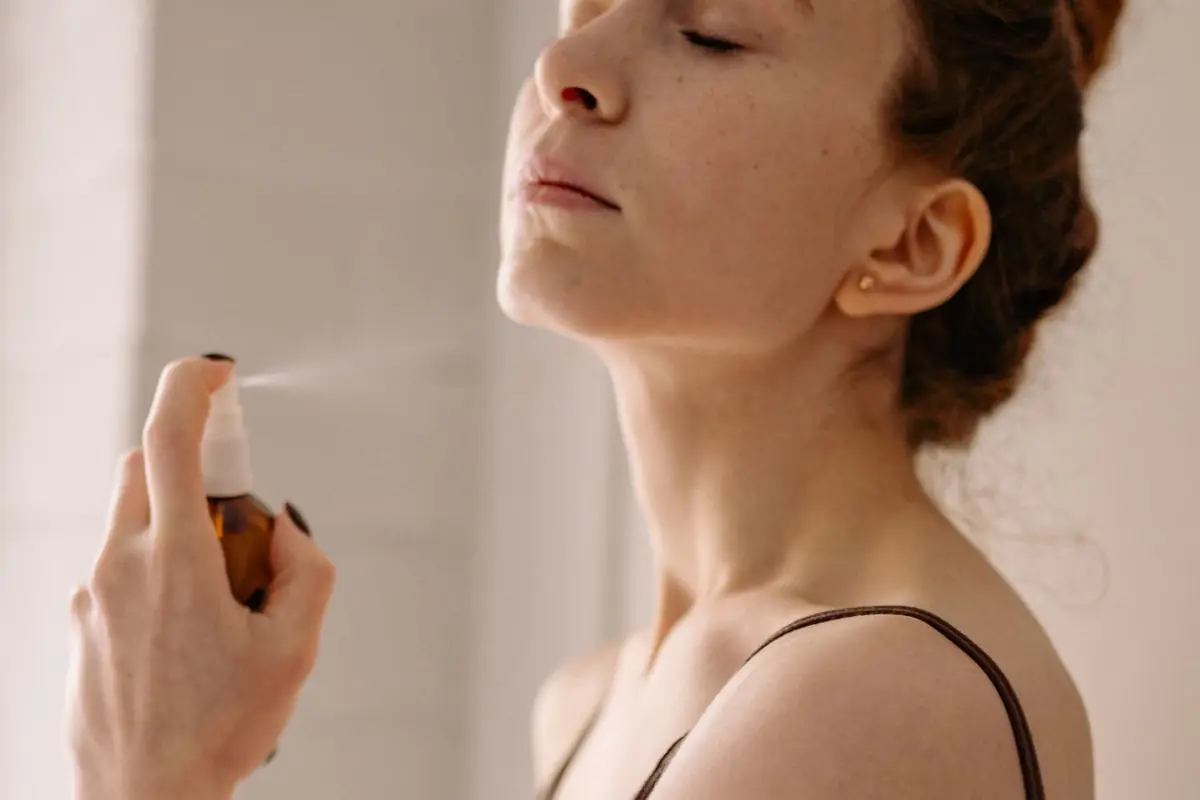
An event day can mean twelve hours or more of wear: hugs, tears, sun, food, a sweaty dance floor. Makeup that looks perfect at 10 am can look patchy by the reception if it is not built to last. Long-wear makeup is less about any single miracle product and more about technique: thin layers, smart placement and a small touch-up plan. Here is how it works.
Why makeup breaks down
Knowing the causes helps you choose the fix. Makeup typically fades or moves because of:
- Oil from the skin, which breaks down foundation, especially on the nose, chin and forehead.
- Friction from touching the face, hugging, glasses or phone screens.
- Too much product, which sits on the skin rather than melding with it and creases in fine lines.
- Skin that was not prepared, either too dry (makeup clings to patches) or with moisturiser that had not absorbed.
- Heat and humidity, which increase sweat and oil.
Build it in thin layers
The most useful long-wear habit is to apply several thin layers rather than one thick one. A thin layer of base, allowed a moment to settle, then spot-concealing only where needed, grips the skin better than a heavy single coat. The same goes for blush and bronzer: a cream product underneath and a light dusting of powder in a similar shade on top tends to last noticeably longer than either alone.
| Layer | Purpose | Tip |
|---|---|---|
| Skincare | Smooth, hydrated canvas | Let it absorb for several minutes |
| Primer | Grip, blur or mattify | Use only where you need it |
| Base | Even tone | Thin layers, pressed in with a sponge or brush |
| Concealer | Targeted coverage | Small amounts; set under-eyes lightly |
| Cream then powder colour | Blush, bronzer that stays | Same shade family, powder lightly on top |
| Powder | Controls shine | Centre of face, not all over dry areas |
| Setting spray | Melds layers, reduces powdery look | Mist from arm's length |
Eyes that don't crease or smudge
Eyelids are naturally oily for many people, which is why eyeshadow collects in the crease. An eyeshadow primer or a thin layer of concealer set with a little powder gives shadow something to hold on to. For liner and mascara:
- Waterproof or smudge-resistant mascara is a common choice for emotional events. Remember it needs an oil-based or dedicated remover at the end of the night.
- Tightlining (placing liner close to the upper lash roots) adds definition that is less likely to transfer than liner on the lower waterline.
- Set pencil liner by pressing a matching eyeshadow over it.
- If you wear strip lashes, let the glue go tacky before applying and press it well at the outer corners, which lift first.
Lips that survive food and drink
Lipstick is the first thing to go. To help it last, start with a smooth, blotted lip, line and fill the whole lip with pencil, then apply lipstick, blot with a tissue and apply a second layer. Long-wear liquid lipsticks hold very well but can feel dry after many hours; a thin balm over the top later can help, though it may soften the finish. Pick a shade you can easily reapply by feel without a mirror, which usually means a colour close to your natural lip or a gentle deepening of it.
Powder: where it helps and where it hurts
Powder controls shine but can make dry areas look flaky or emphasise texture. Press a small amount into the T-zone, around the nose and on the chin, and keep it light on the cheeks and outer face. For photos, finely milled powder in a shade close to your skin is safer than a very white powder; see our article on makeup for photos and flash for why.
The touch-up plan
- Blotting papers (they lift oil without adding layers)
- Pressed powder with a small puff
- Your lipstick and lip pencil
- Cotton buds for fixing smudges under the eyes
- A mini setting spray if you have one
The best order for touch-ups is: blot first, then powder only if needed. Adding powder over oil without blotting builds a cakey layer. Do a quick check after the ceremony or main photos, again before dinner, and once before the dancing starts.
Hot weather and outdoor events
In heat, lighter bases usually hold up better than heavy full-coverage formulas. Mattifying primer on oily zones, a bit less product overall and more frequent blotting tend to work better than piling on setting powder. Seek shade for photos where you can, which is kinder to both makeup and skin.
Frequently asked questions
Do setting sprays really work?
They can help layers meld and reduce a powdery finish, and some are formulated to help makeup last. Results vary by skin type and product.
Should I use waterproof mascara?
It is a popular choice for emotional events and hot days. Just make sure you have a suitable remover for the end of the night.
Why does my foundation separate on my nose?
Usually oil breaking through, or too much product. Thinner layers, a mattifying primer there, and blotting before powder can help.
How often should I touch up?
A light check every few hours is enough for most people: blot, a little powder if needed, and lipstick.
General information only. Patch-test new products and follow your stylist's advice for your own hair and skin.