
Makeup for Photos and Flash: How to Look Like Yourself on Camera
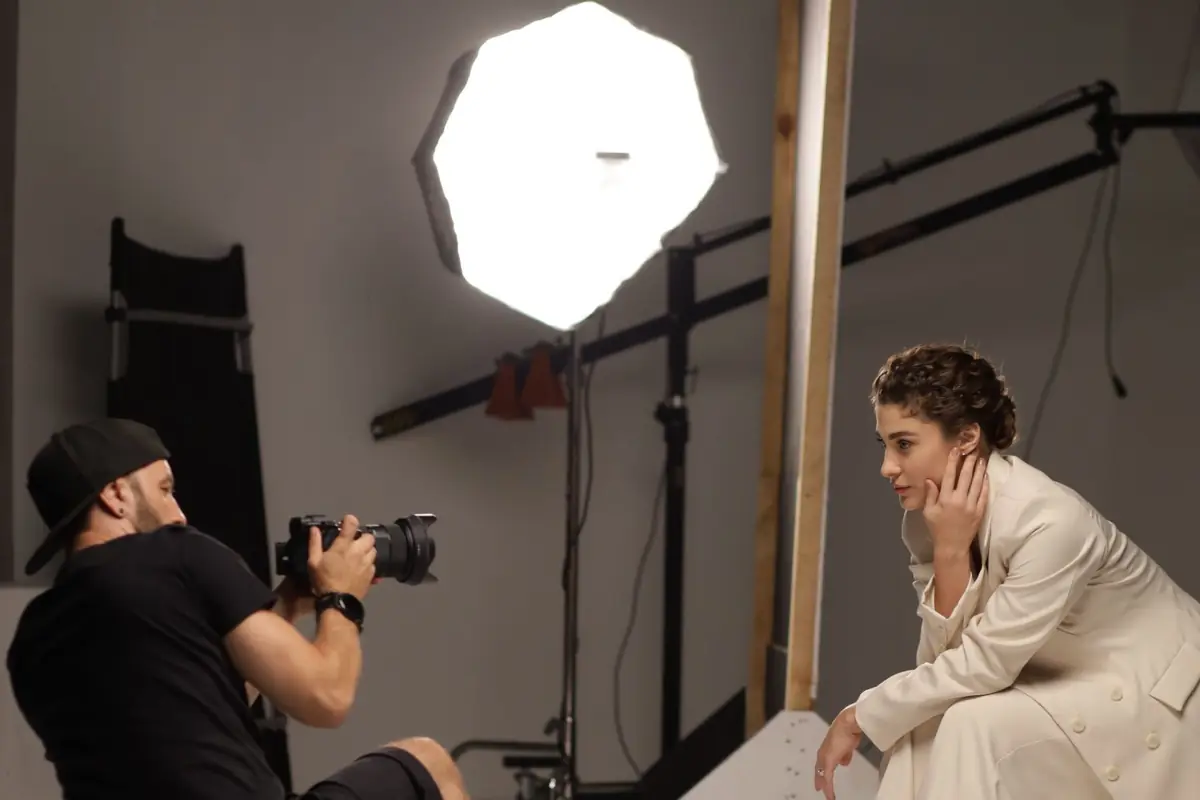
You leave the house feeling fabulous, then see the photos and your face looks flat, shiny or strangely pale. Cameras and flashes see light differently from the human eye, and that changes how makeup reads. The good news is that a few adjustments make a big difference. Here is how to make sure the version of you in the album matches the version in the mirror.
Why cameras change how makeup looks
A camera, especially with a strong flash, can flatten the natural shadows that give a face shape. It can also exaggerate shine, since oily areas reflect light straight back into the lens. And some ingredients reflect flash light in a way our eyes do not notice in person. So makeup often needs a little more definition and a little less shine for photos than it does for a lunch date, but not so much that it looks heavy in person.
Understanding flashback
"Flashback" is when areas of the face look white or ghostly in flash photos while the rest looks normal. It is often linked to products that reflect flash strongly, such as some setting powders that contain a lot of silica and some mineral sunscreens with zinc oxide or titanium dioxide, particularly when applied heavily. It does not happen with every product or every camera, which is why testing matters.
- Apply your full look, including sunscreen and setting powder
- Stand in a dim room and take a selfie or have someone take a photo with flash on
- Check under the eyes, the sides of the nose and the forehead for white patches
- If you see them, try less powder, a tinted powder, or brushing excess off
- Repeat the test with any changes before the event
If you need sunscreen for an outdoor event, keep using it. Ask your makeup artist which type they recommend, and run the flash test with it so you know how it behaves.
Base: even, not heavy
For photos, the aim is skin that looks even and alive. Match foundation to the neck and chest, not just the face, so there is no visible line in photos where the neckline shows. A satin or natural finish often photographs better than very matte (which can look flat) or very dewy (which can look oily under flash). Control shine with blotting papers and a light press of powder only on the centre of the face.
Definition that survives the flash
Because flash flattens features, a touch of added definition helps the face keep its shape:
- Brows: slightly more defined than everyday, filled evenly so they don't disappear.
- Contour or bronzer: soft and well blended under the cheekbones and around the hairline. Harsh lines show up more on camera, not less.
- Blush: often a little more than usual, because flash can wash colour out.
- Lashes: defined lashes help eyes stand out in group shots taken from a distance.
- Lips: a colour a shade or two deeper than your natural lip keeps the face from looking washed out.
Shimmer and glitter: use with care
Highlight and shimmer can look beautiful in candid, natural-light shots, but under direct flash they can read as shine or grease. Keep highlighter to the tops of the cheekbones rather than the whole face, and choose finely milled shimmer over chunky glitter if you want sparkle. Glitter on the eyelid tends to photograph better than glitter on the skin.
Natural light, indoor light, and flash compared
| Light | What tends to happen | What helps |
|---|---|---|
| Soft daylight | Most true to life; shows skin texture | Thin base, blended edges |
| Warm indoor light | Colours look warmer; shadows deepen | Check blush and lip in daylight too |
| Direct flash | Features flatten; shine and some powders show | More definition, blotting, flash test |
| Bright midday sun | Harsh shadows, squinting, sweat | Shade for portraits; blot often |
Practical tips on the day
- Ask a friend to check your face before formal photos: shine, lipstick on teeth, a stray lash.
- Blot before every group of photos rather than adding powder each time.
- Keep your chin slightly forward and down to avoid shadows under the jaw; photographers will often guide you.
- Relax. Genuine smiles photograph better than any product.
If you are working with a professional makeup artist, tell them there will be flash photography and whether the photographer prefers natural light. They will adjust products and intensity accordingly. For making the look last through a long day of photos, see long-wear makeup.
Frequently asked questions
Why do I look pale in flash photos?
Flash can wash out colour and flatten features. A bit more blush, bronzer and lip colour than usual usually helps.
Does SPF always cause flashback?
Not always. It depends on the formula, how much is applied and the camera. Test your full look with flash before the event.
Should I use highlighter for photos?
In moderation. Keep it to the high points of the cheekbones; too much can look like shine under flash.
Is matte or dewy better for photos?
A satin or natural finish is often the safest middle ground, with shine controlled in the T-zone.
General information only. Patch-test new products and follow your stylist's advice for your own hair and skin.